

Storing thermal paper
Thermal paper gives clear fast receipts, but it does not like heat, sunlight or damp air. Good storage keeps rolls readable for drivers, route sellers and field teams working across South Africa.
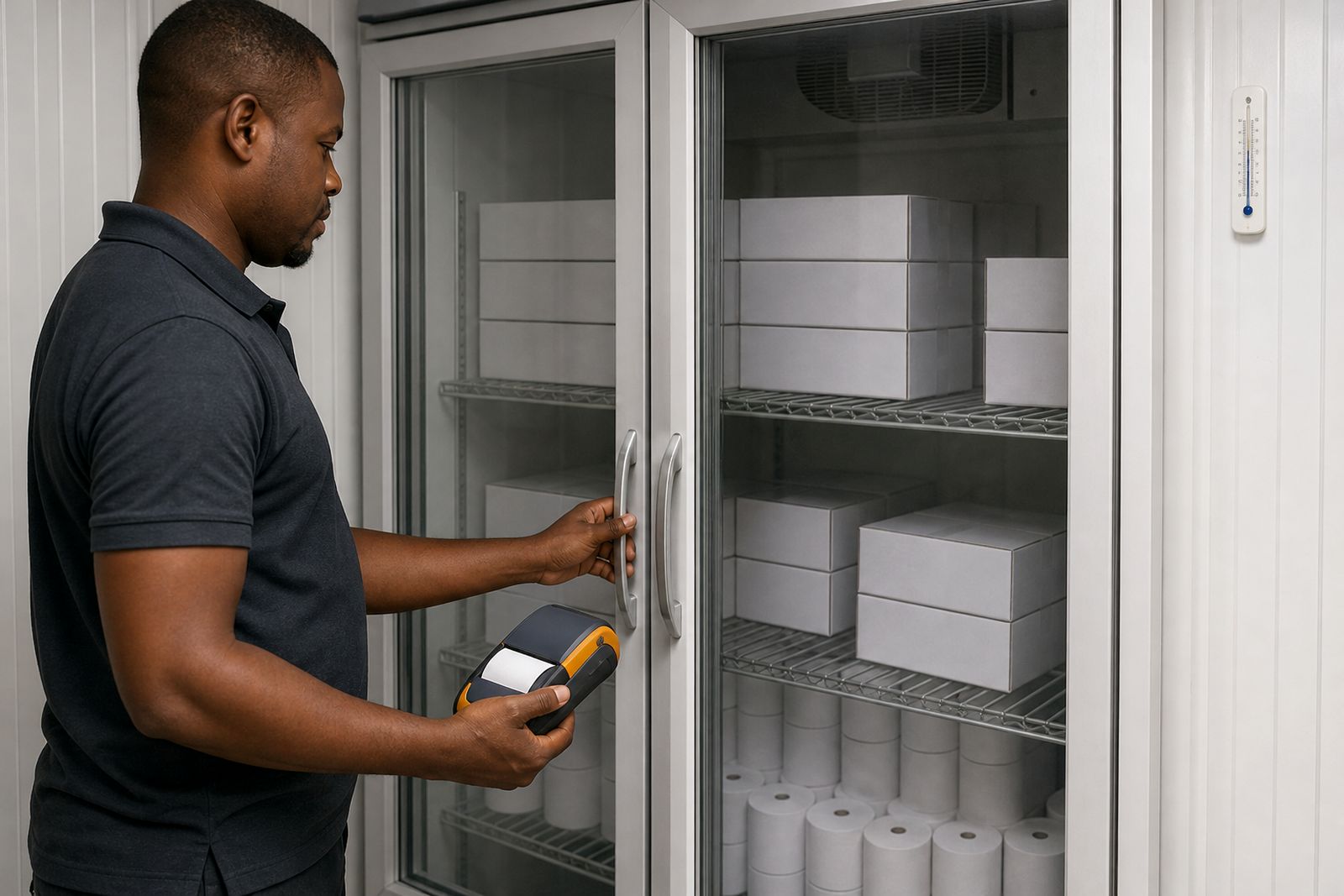
What proper thermal paper storage means
Thermal paper is coated to react to heat from the print head. That same coating can also react to the wrong storage conditions, which is why receipts may darken in the box, fade too early, or show grey marks before the roll even goes into the printer. For mobile teams this matters because a receipt handed to a customer at the gate, on a route or at a vehicle handover must still be clear and easy to read.
At Portable-Printers Field in Midrand, we supply rolls for mobile receipt printers and help teams store them sensibly in vehicles, storerooms and dispatch areas. The aim is simple: keep rolls cool, dry, clean and out of direct light. If your drivers carry spare rolls in the cab all week, or your field sales team leaves stock in a boot in summer, paper quality can drop quite quickly.
Common roll sizes and their working limits
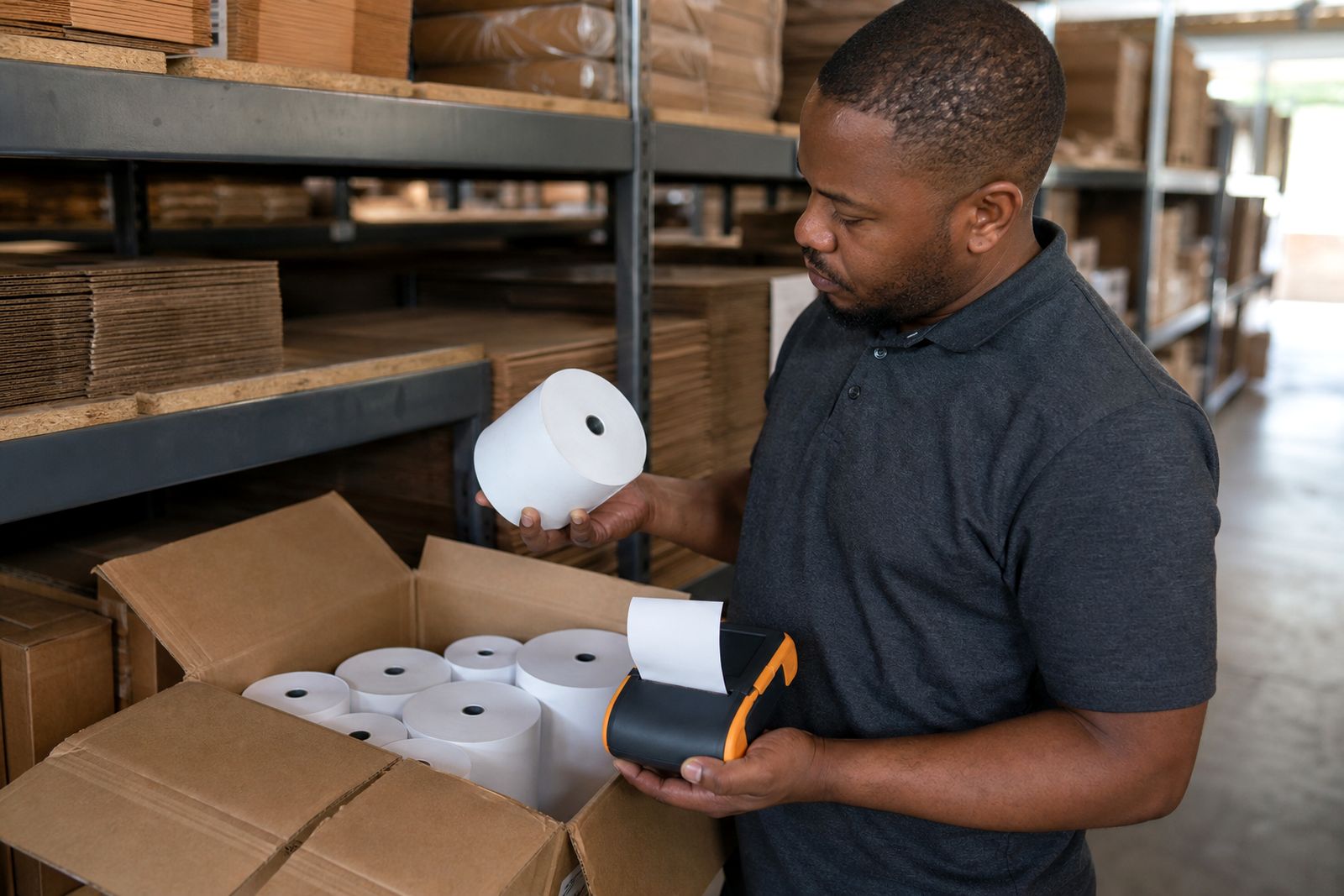
The most common mobile receipt paper widths we deal with are 58 mm and 80 mm. Storage rules are much the same for both, but the wider 80 mm rolls take more space and are often kept in larger cartons, so stacking and airflow become a bit more important. Roll diameter and core size also matter because paper that is squeezed too tightly into a bag, drawer or vehicle bin can pick up edge damage.
- 58 mm rolls: Popular for compact belt-worn and vehicle-used printers. Easier to carry, but often stored loose in pouches where heat and dust can get to them.
- 80 mm rolls: Used where a larger receipt format is needed. Bulk packs should be kept flat and not pressed against hot walls or windows.
- Working temperature guide: Best stored around normal indoor room temperature, ideally below 25 degrees C for day to day holding.
- Heat caution: Prolonged exposure above about 35 degrees C can start affecting image quality and shelf condition.
- Light caution: Direct sunlight and strong UV exposure can cause fading or background darkening.
- Humidity guide: A dry storeroom is better. High humidity can curl paper, soften packaging and affect feed performance.
Those are practical limits rather than a hard rule for every paper grade, and the exact coating can vary. If you are ordering for outdoor teams, tell us whether rolls will sit in vehicles during the day, because that changes what storage advice matters most.
Where good storage suits, and where it does not
Proper storage is especially useful for logistics fleets, courier operations, route sales, parking teams and inspectors who carry several spare rolls at a time. In these jobs paper may move from storeroom to van, then from van to a carry case or belt pouch. Each step adds heat, dust and moisture risk, so a simple storage routine helps reduce waste.
- Good fit: Indoor shelves, closed cupboards, dispatch rooms, parts counters and dry storerooms away from windows.
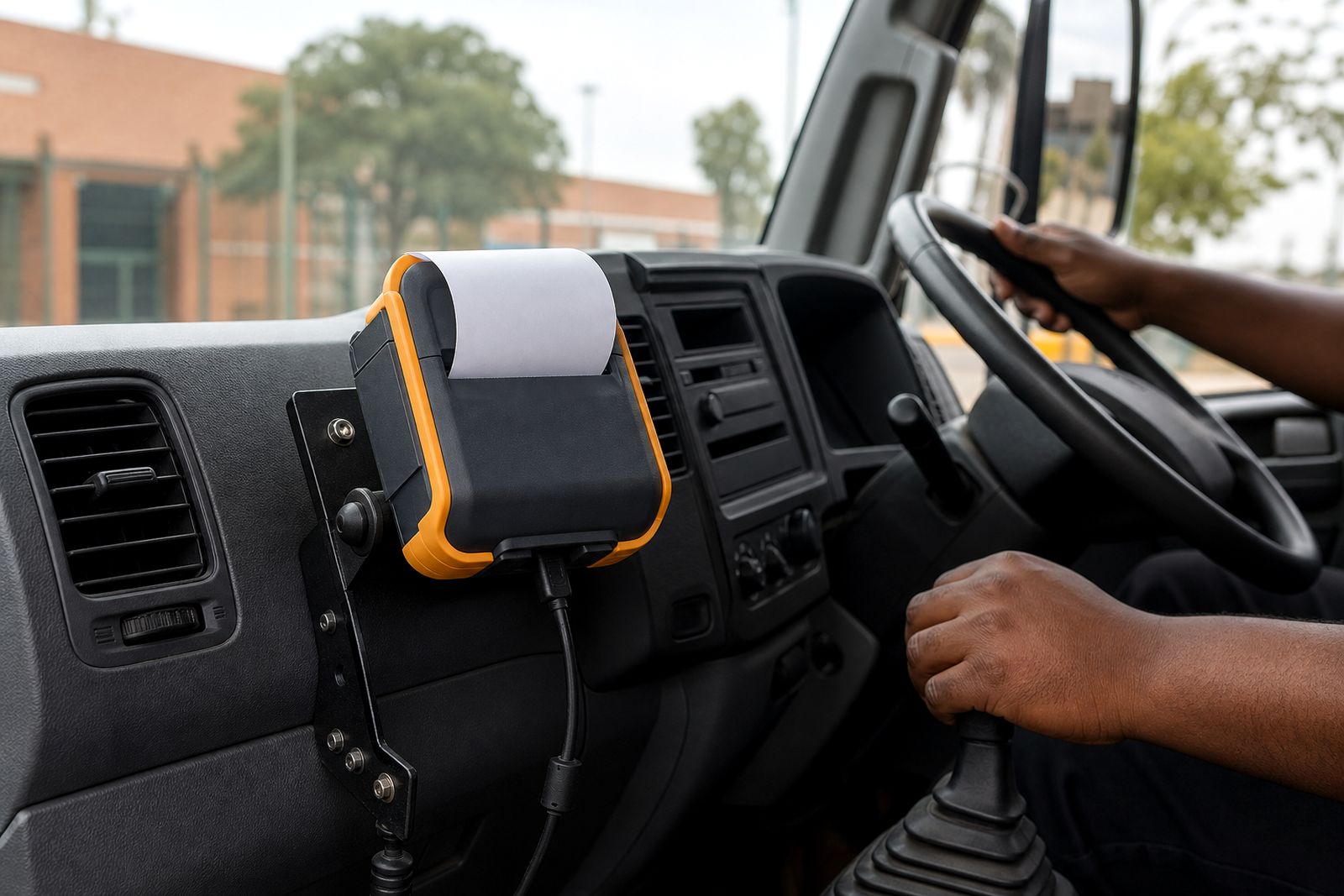
- Good fit: Vehicle stock bins that stay shaded and are not mounted near the firewall, dashboard or rear window.
- Not suitable: Open bakkie canopies that heat up sharply, glove boxes in full sun, and dashboards.
- Not suitable: Damp shipping containers, wash bays, or storerooms next to kettles, geysers or hot pipe runs.
- Take care: Coastal areas where humidity is higher, especially Durban and other humid corridors, may need tighter carton sealing and quicker stock rotation.
If your operation works in areas with frequent load-shedding, do not shift paper into a hotter improvised room just because it is near the inverter or generator area. Those spaces often run warm and dusty, and that can mark the rolls quite fast.
Storage setup in vehicles, depots and counters
You do not need special infrastructure, but you do need a bit of discipline. Keep cartons off the floor, away from roller doors and away from afternoon sun. In vehicles, store spare rolls in a closed case or side compartment rather than loose on the seat or parcel shelf. Avoid compressing the rolls under tools, scanner cradles, paperwork or straps.
For depots and branches, first-in first-out stock rotation works well. Open only the carton you need, then keep the remaining rolls in their wrapper until they are issued. If municipal rules or building practice require fire separation between stock and charging points, follow that layout. It helps for battery charging safety and it also keeps paper away from local heat sources, which is a bonus.
- Store cartons flat on shelving.
- Keep rolls in original wrapping until use.
- Use closed carry cases for field teams.
- Do not leave spare rolls in direct sun during loading.
- Separate paper from cleaning chemicals and adhesive products.
Daily care to keep receipts clear
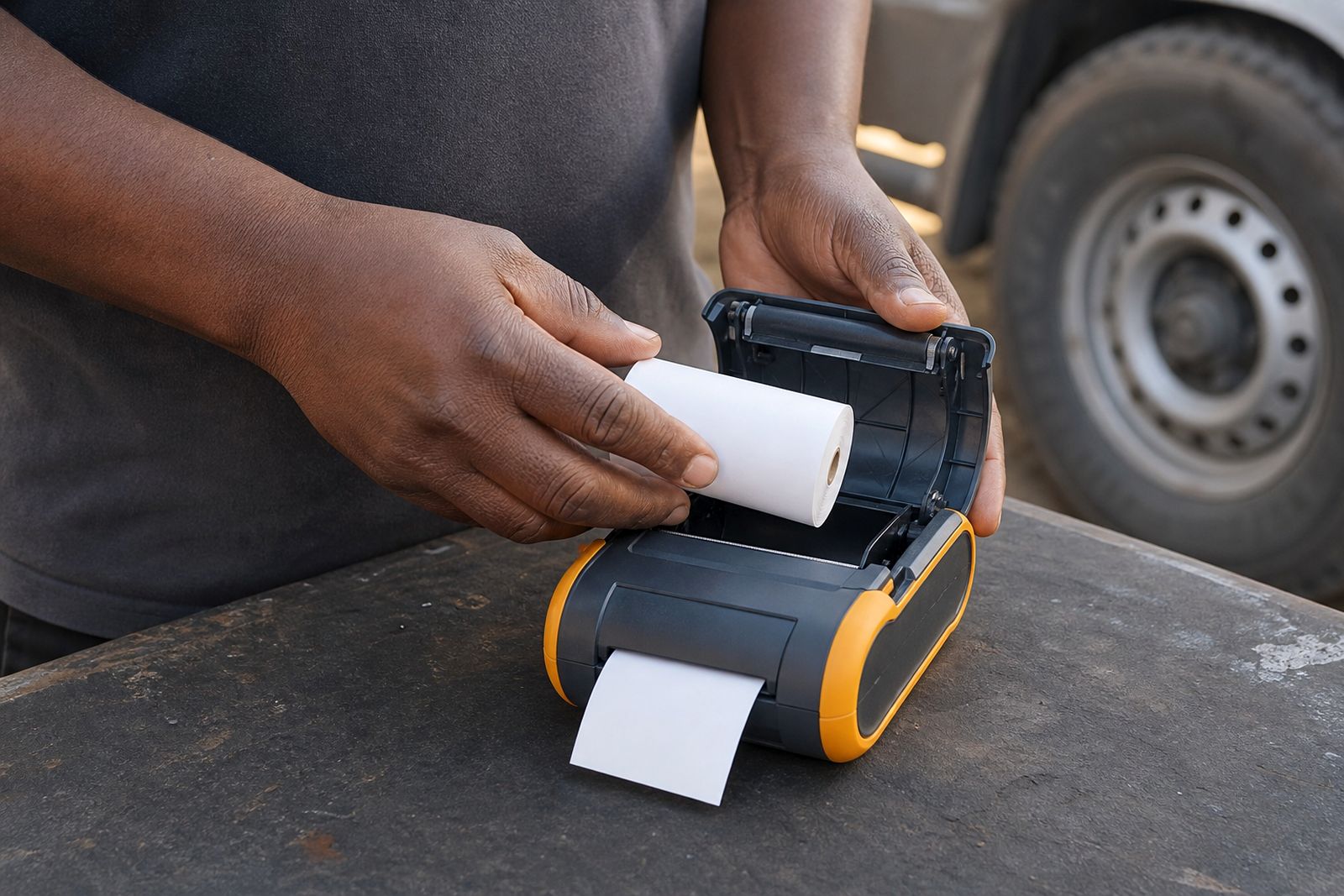
Once a roll is fitted to the printer, the same storage logic still applies. Keep the printer out of direct sun when parked, and do not leave a partly used roll in a hot vehicle over a long weekend if it can be avoided. Paper that has already picked up light grey shading will still feed, but the final receipt can look weak or patchy.
Drivers and field operators should also handle rolls with clean dry hands. Oily fingers, moisture, and dust from the load bed or workshop counter can transfer onto the printable surface. If a roll has been crushed at the edges, rather replace it than forcing it through the printer, it can cause skew feeding and wasted receipts.
Where receipts must be kept by the customer for later checking, remind staff that printed slips should not be taped against a hot windscreen, left on a dashboard, or stored against plastic sleeves that may react with the coating. A clear receipt at handover is only part of the job.
What to tell us when you enquire
We help customers match paper rolls to the mobile printer and to the way the team works on the road. When you contact us through the enquiry form, include the printer type, the paper width and where the rolls are stored most of the time. That lets us point you to the right roll size and practical storage advice for your setup.
- Paper width needed, usually 58 mm or 80 mm.
- Approximate roll diameter or current roll size if known.
- Whether the printer uses Bluetooth or USB with your handheld device or phone.
- Whether spare rolls travel in cars, vans, bikes or on a belt or shoulder carry setup.
- If your operation is inland, coastal or in very hot parking conditions.
- Any receipt readability issues already seen, such as fading, darkening or curling.
We do not supply handheld computers, develop software or repair other brands. Our focus is mobile receipt printers, paper rolls and the practical accessories that keep field printing working properly day to day.
What our Mobile Receipt Printers customers say
Verified Google reviews
Questions we get asked
Can thermal paper be stored in a vehicle?
Yes, but only with care. Keep spare rolls in a shaded closed compartment or carry case, not on the dashboard, rear shelf or anywhere that heats up in direct sun.
Why do some rolls go grey before printing?
That usually points to heat, light or pressure damage during storage. A hot cab, tight packing, or strong sunlight can start activating the thermal coating before the roll is used.
Does 58 mm paper need different storage from 80 mm paper?
The storage principles are the same. The main difference is handling and packing, because 80 mm rolls are bulkier and need a bit more care with stacking and shelf space.
Also worth a look
Tell us about the job
Send sizes, materials and where you are through our contact form, and we will come back with the practical options.
Open the contact form